King Salmon Perfected for Culinary Excellence
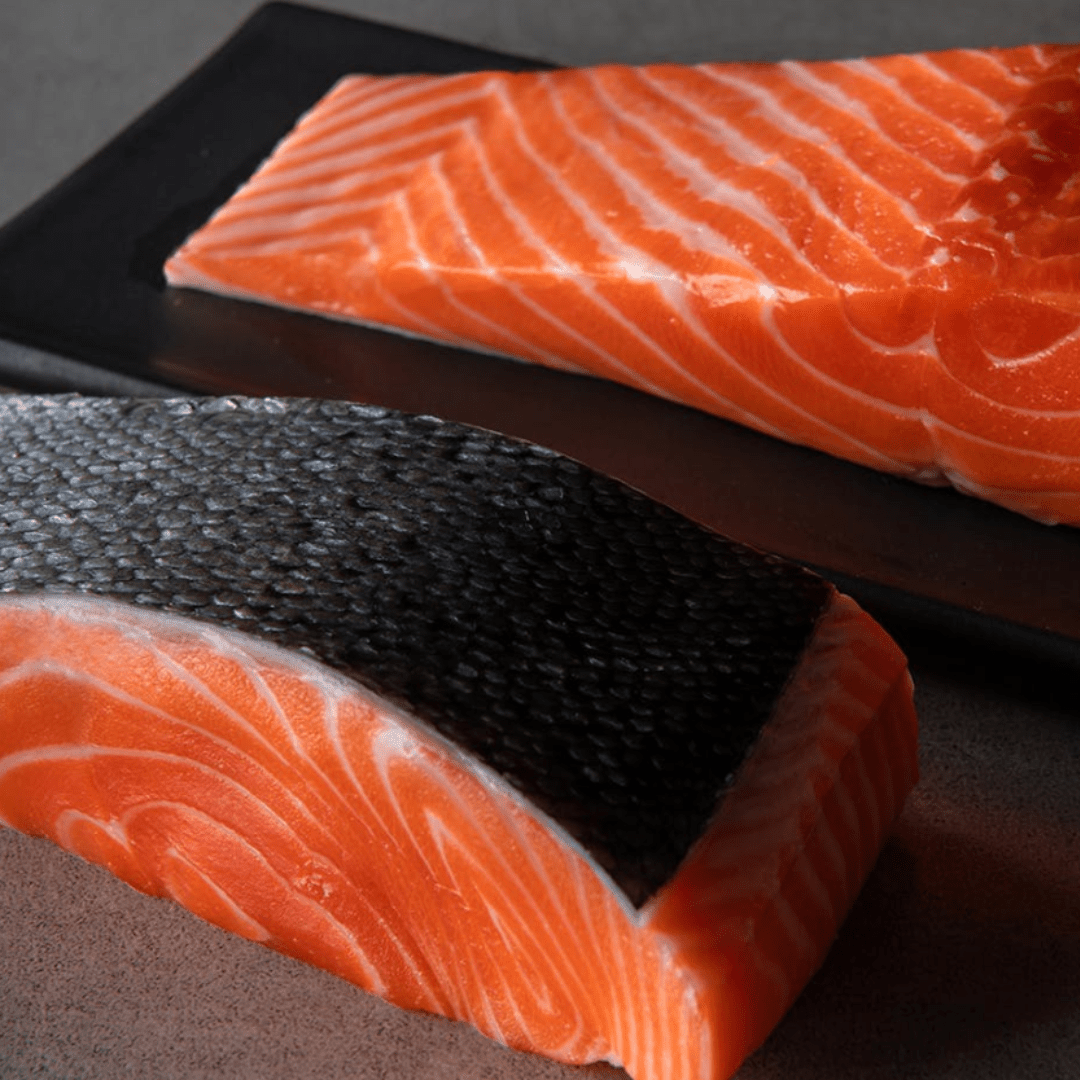
Ōra King Salmon is the result of over two decades of careful breeding, thoughtful farming, and culinary collaboration. Raised in the deep, clear waters of New Zealand’s Marlborough Sounds, these King salmon are bred for lush marbling, vibrant color, and a rich, umami flavor that chefs around the world cook with. It performs beautifully raw or cooked, and we publish what our lab found in it.
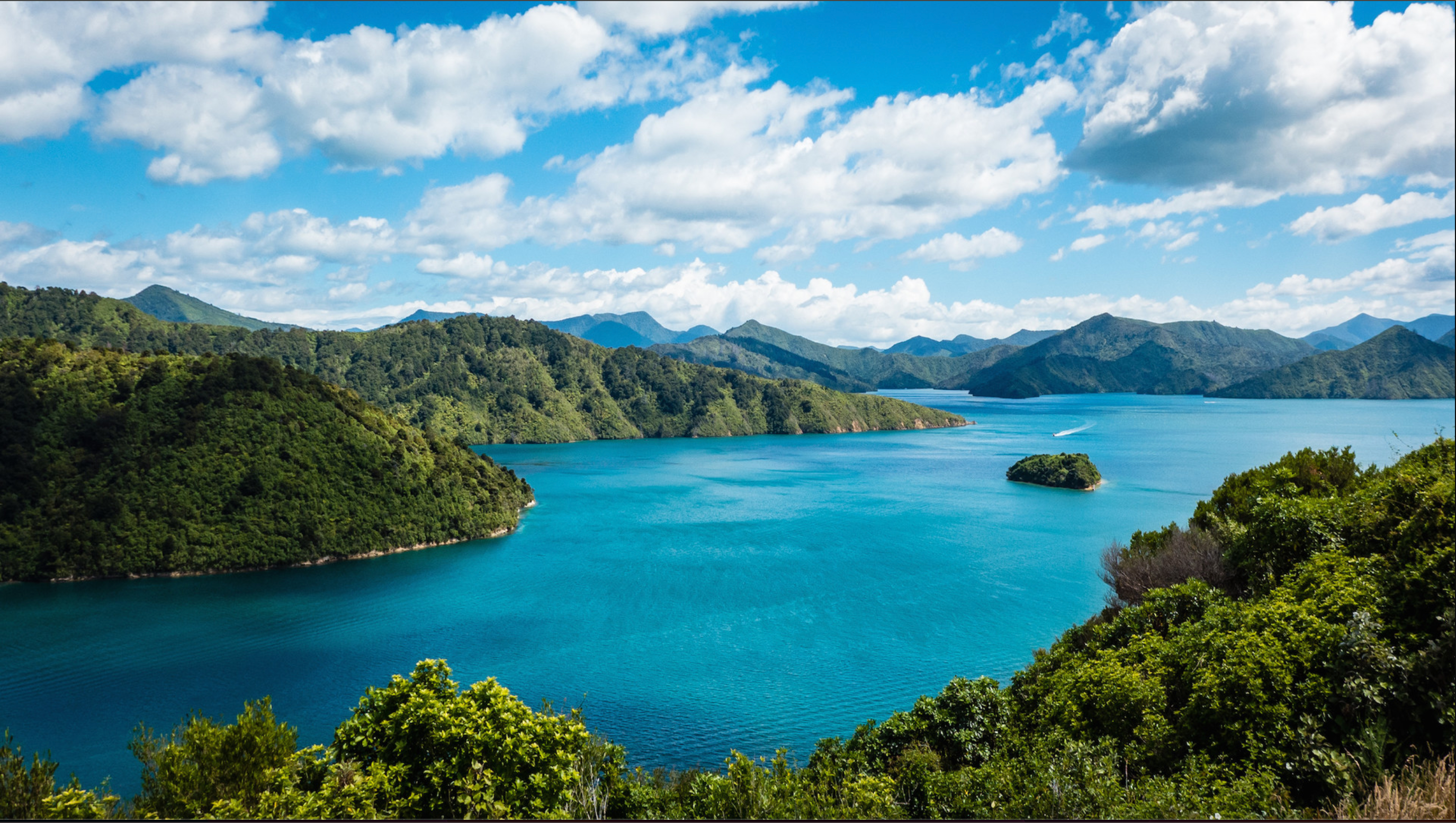
Remote Bays, Cold Ocean Currents
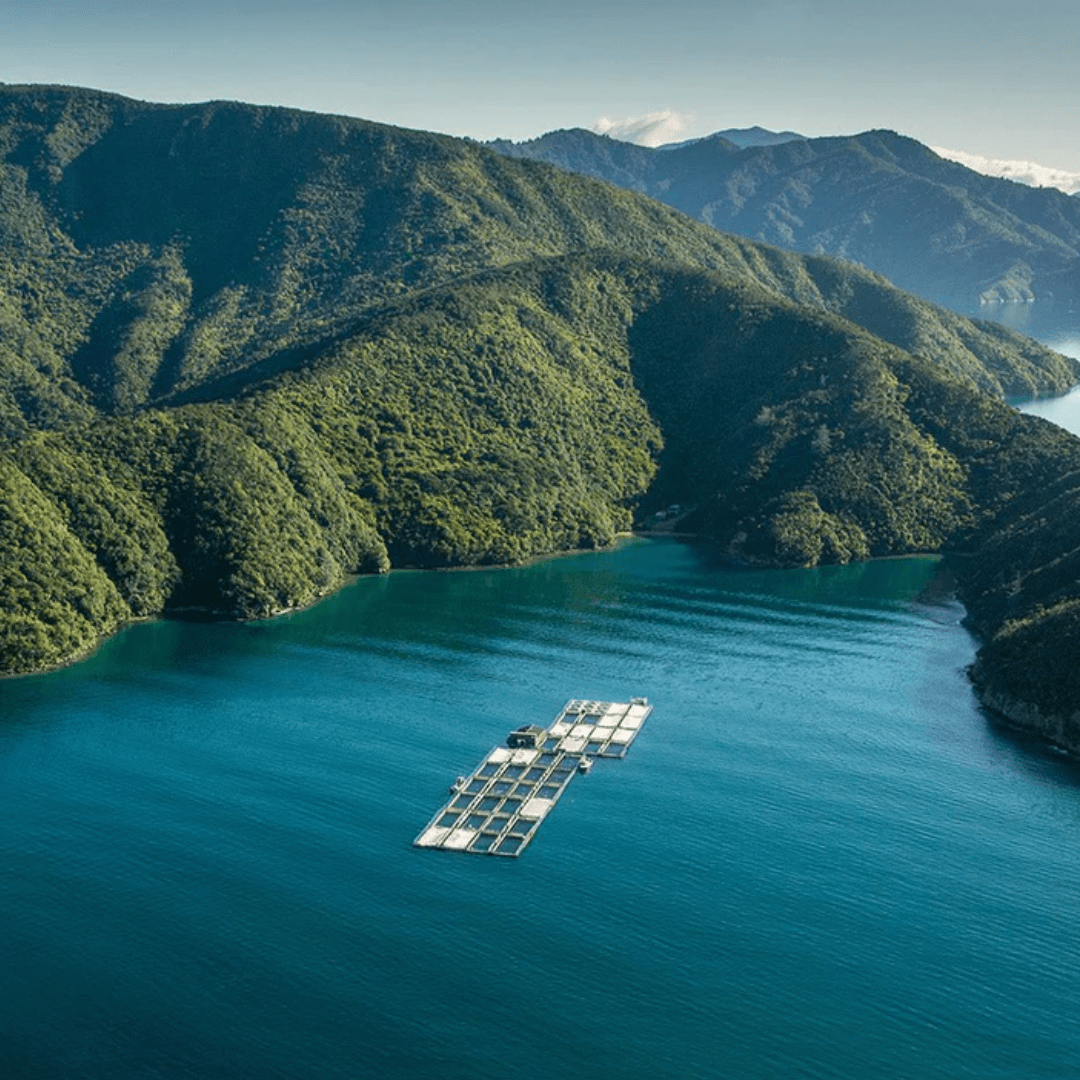
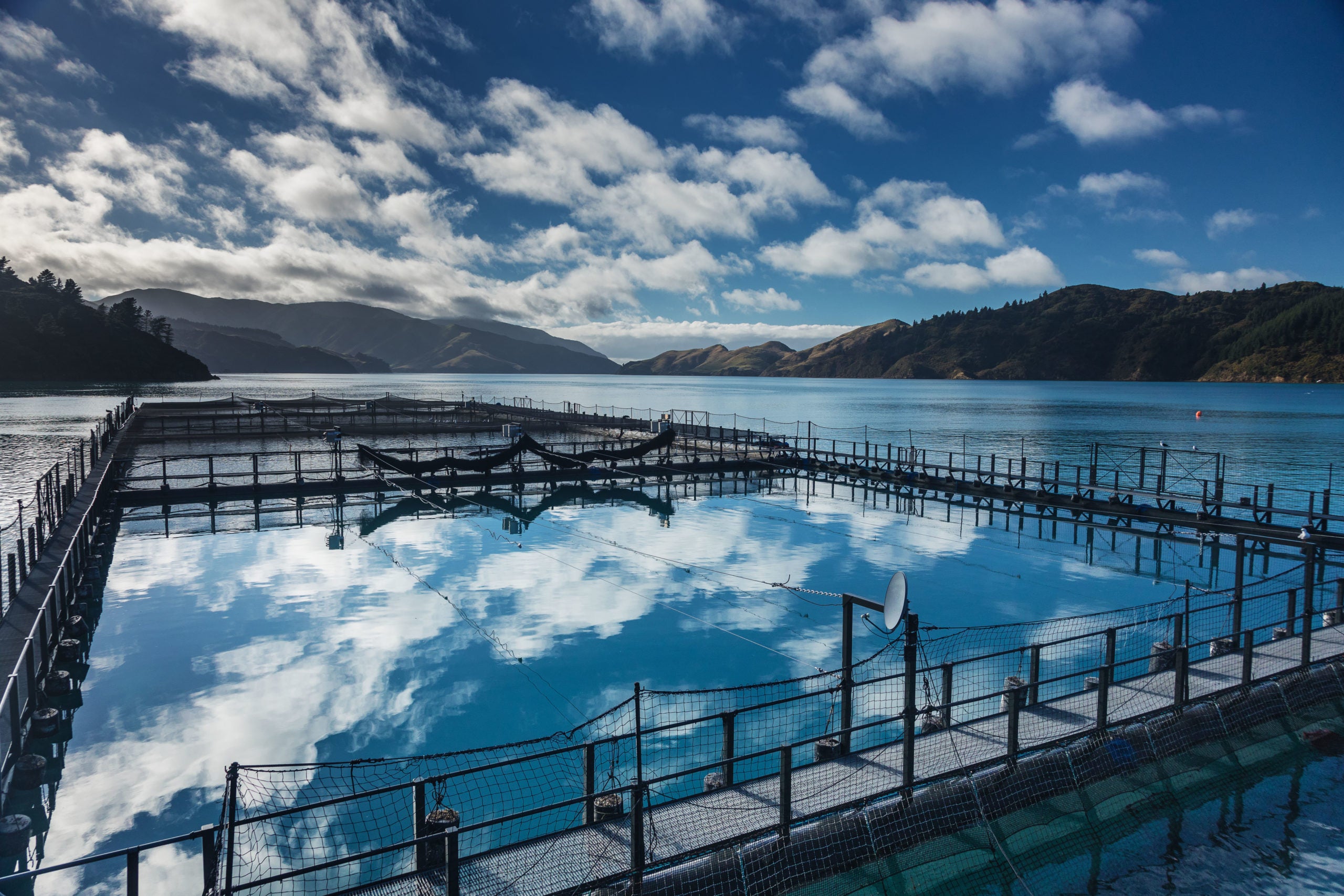
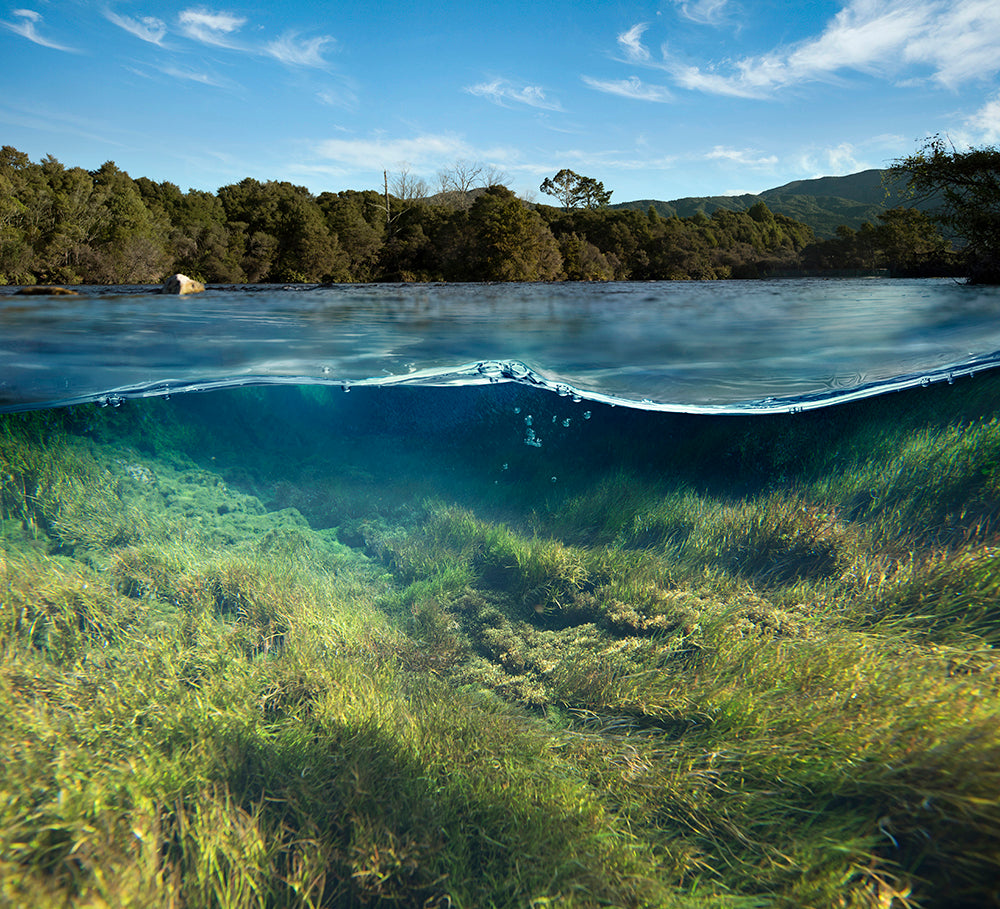
Ōra King salmon are raised in the isolated bays and deep inlets of the Marlborough Sounds, where cool ocean currents flow in from the Cook Strait and the surrounding mountains create a sheltered, temperate microclimate. The waters here are cold and consistently refreshed by tide and rainfall, and the remoteness of the region gives the farm natural biosecurity.
Heritage and Expertise Behind Every Fish
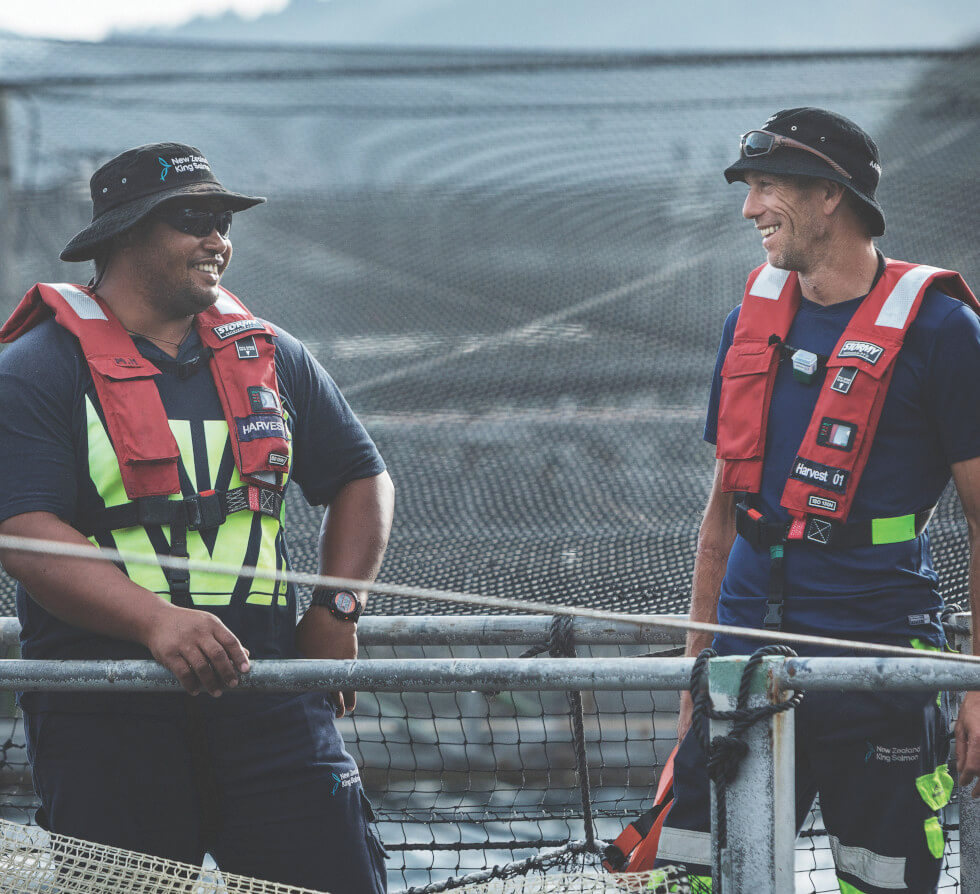
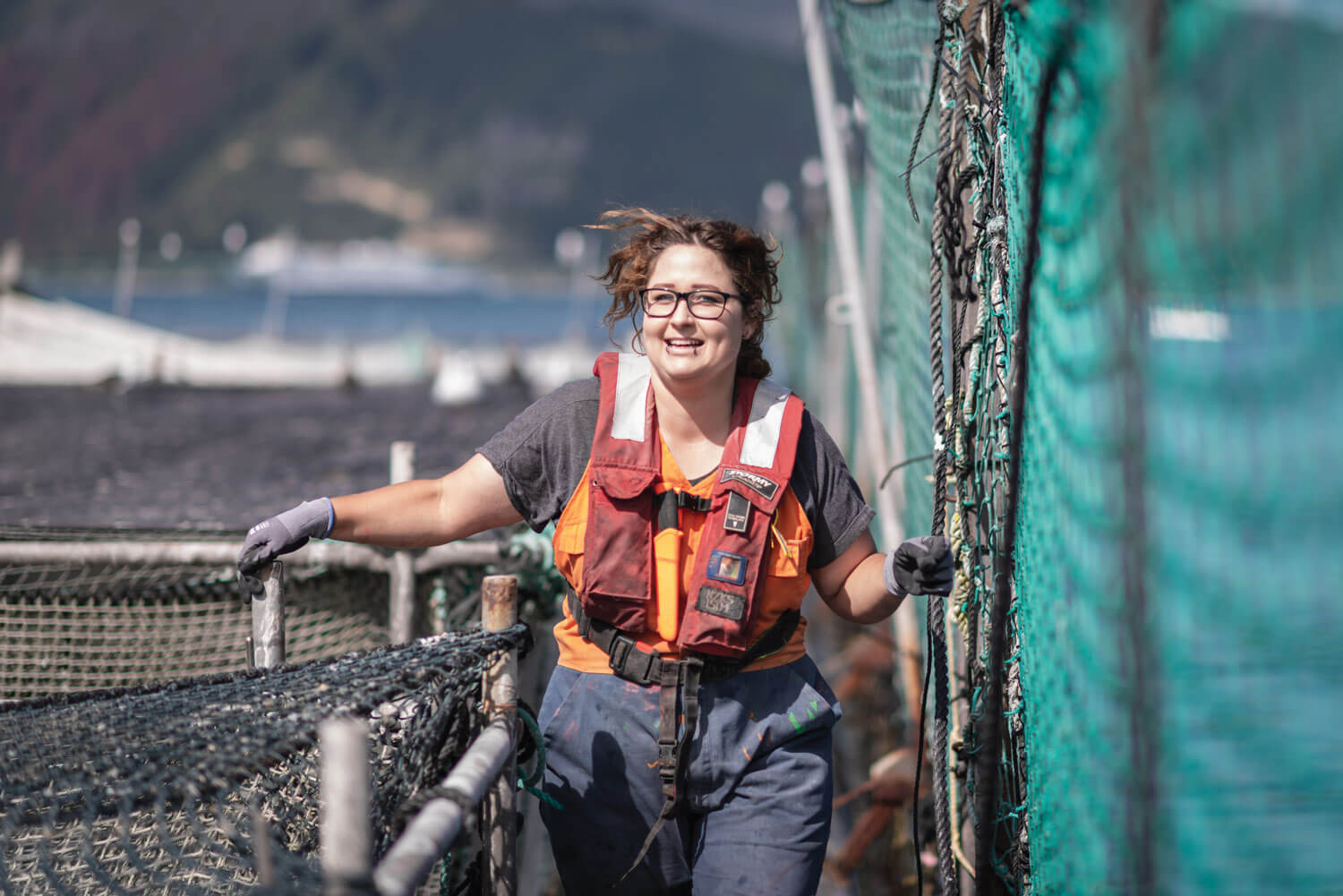
The team behind Ōra King is a collective of lifelong fish farmers, scientists, and stewards of the Marlborough Sounds, all working under the heritage-rich New Zealand King Salmon Company. Over decades, they’ve honed a selective breeding program to produce what many consider the “Wagyu of the Sea.” Each fish reflects the expertise of farmers who observe carefully and manage every stage of the life cycle, from hatchery to harvest.
from Ōra King
King Salmon
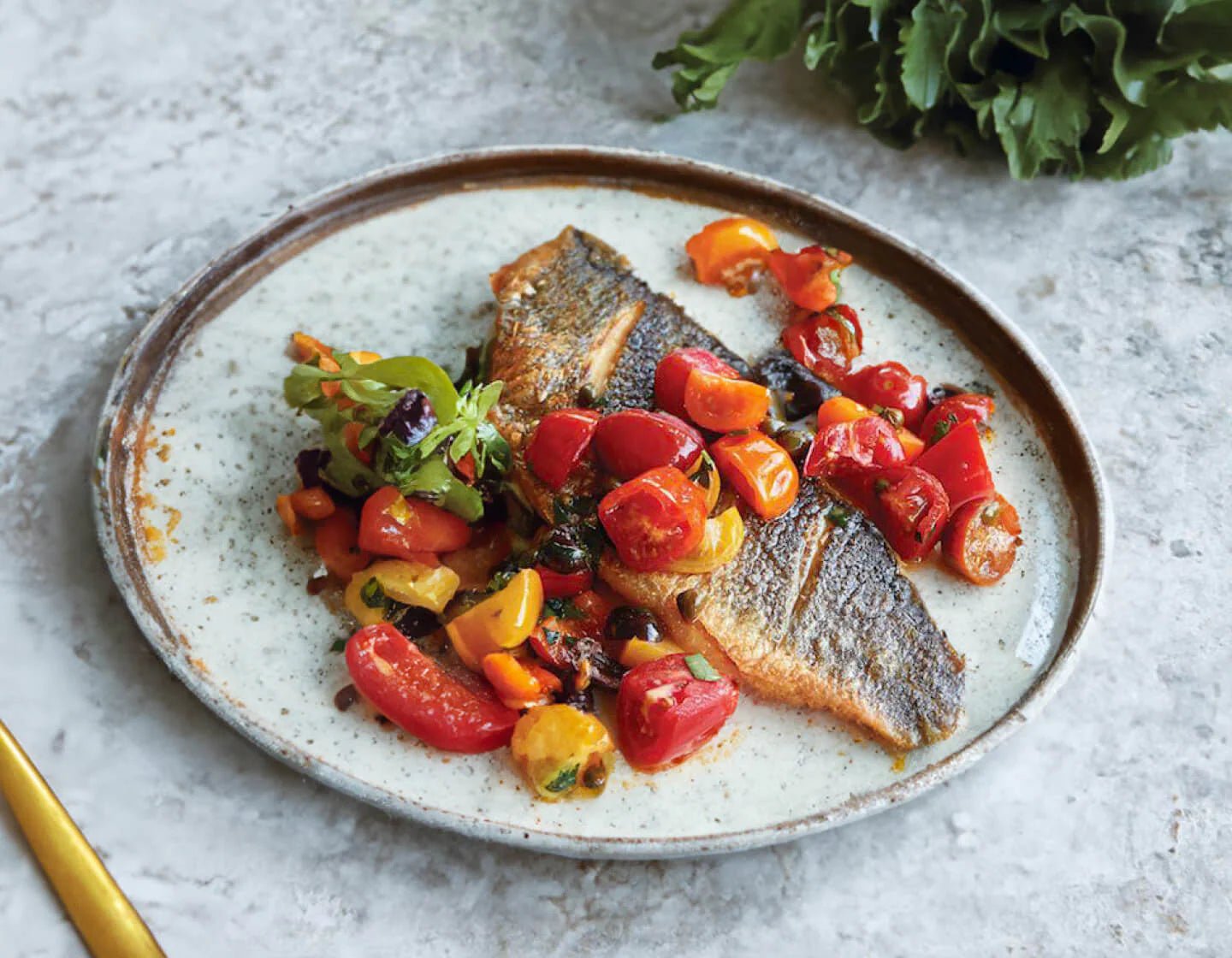
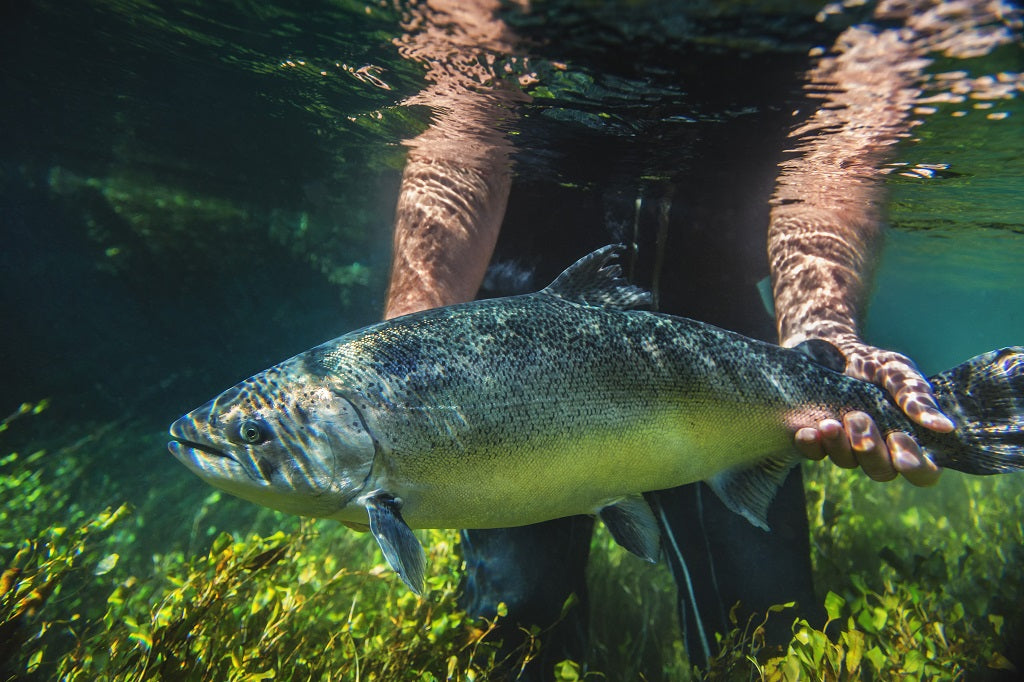
Ōra King raises Oncorhynchus tshawytscha, also known as Chinook or King salmon—the largest and most prized of the Pacific salmon species. Known for its buttery richness and fine marbling, this species is genetically predisposed to high fat content, resulting in luxurious texture and depth of flavor. In aquaculture, it thrives in cold, oxygenated water, with slower growth cycles that allow time for flavor and structure to develop. For chefs, King salmon offers exceptional versatility—delicate enough for crudo or tartare, but rich enough to hold up on the grill or in a slow roast.

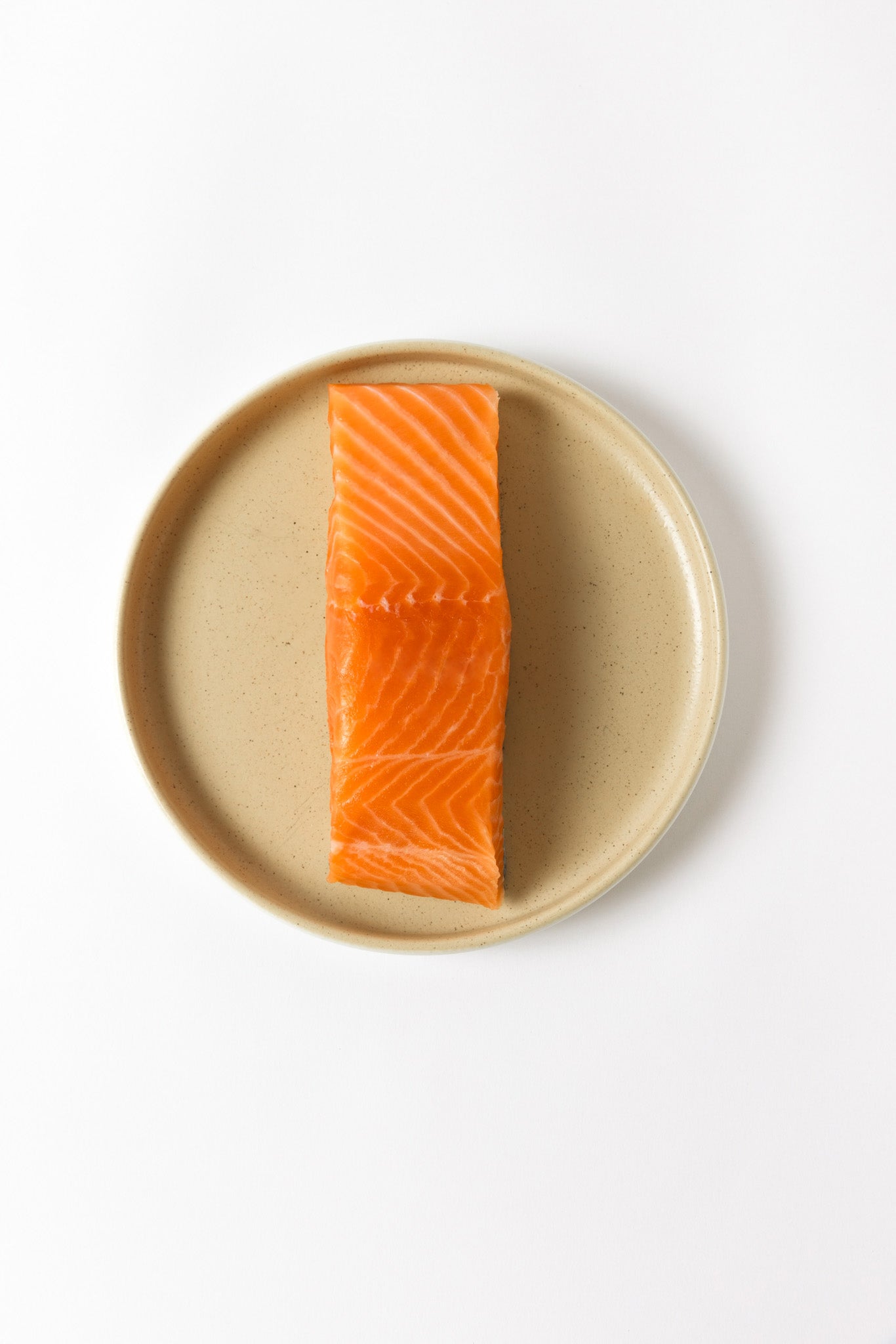
Unapologetically rich and velvety—Ōra King salmon, the gold standard for celebratory seafood
What do the fish eat? - Fish feed FAQ
A fish is built from what it eats, so feed decides its omega-3s and its mineral profile, and it shapes its exposure to mercury and microplastics. That’s why we treat feed as a sourcing requirement rather than a farm detail, and why every farm we work with has to tell us what goes into the pellet. Feed varies by farm, by species, and by stage of growth.
What can be in it?
We work with a number of different farms around the world, and the specific feeds vary by farm, by species, and even by the phase of the growout cycle. To meet the Seatopia Standard at Aquaculture 2.0, a feed diet includes a combination of algae oil, marine ingredients (fish meal and fish oil), high-protein plants (soy, pea, barley, corn or pistachio), essential amino acids, minerals and astaxanthin. Preventative antibiotics, hormones, GMOs and synthetic colouring agents are prohibited.
These feeds are built so the fish get the nutrition they need to produce good nutrition for humans: nutrient-dense, highly digestible, and balanced on protein, omega-3s, micronutrients and fats.
What's never in it?
Preventative antibiotics, hormones, GMOs and synthetic colouring agents are prohibited.
Why is there plant protein in fish feed?
Yes. Many of our farm partners include a percentage of high-protein, non-GMO plant meal such as soy, grains or legumes in their feed, particularly for omnivorous species or during early life stages.
Here is why. In the early days of aquaculture, what we call Aquaculture 1.0, feed was mostly fishmeal and fish oil. It was easy to produce and efficient for the fish, but it was not sustainable. Using plant proteins means less reliance on wild fishmeal while still giving fish bioavailable protein. Less wild fish in the feed also means more control over exposure to mercury, microplastics, parasites and other environmental toxins.
Seatopia exists to generate market demand for the next wave of feeds, what we call Aquaculture 3.0: species-appropriate ingredients rich in EPA and DHA, like algae, soldier fly protein and mycelium, that give fish what they need without relying on fishmeal. Some of our farms already use these ingredients and we are pushing for larger inclusions and full substitutions. Getting every partner there is the goal.
Are the fish dyed?
Post-harvest and unnatural colouring agents are strictly prohibited. Colour comes from the feed, not from anything added afterwards.
Astaxanthin is the carotenoid largely responsible for a salmon’s colour. It is a naturally occurring nutrient found in kelp, krill, shrimp, lobster and crab, and it reaches the fish through what it eats. Both wild and farmed salmon get their colour from astaxanthin in their diet. It is also what makes flamingos pink.
Responsibly Farmed, Lab-Tested to the Seatopia Standard
Ōra King raises its salmon in ocean net pens in the Marlborough Sounds. Every supplier is third-party tested for nutrition, mercury and microplastics, then randomly audited to ensure consistent compliance with the Seatopia Standard.
Our King Salmon tested at 1,140 mg EPA and 2,290 mg DHA, plus 64 mcg selenium, per 8.5 oz skin-on, sushi-grade portion. Values vary by sample and season.
When we choose farm partners, we look for farms that manage animal health without antibiotics. Many of our farms have no need for them by design, which is the case with scallops and with many of our land-based recirculating farms. Others have transitioned away entirely: our Atlantic salmon partner, Bakkafrost, has used zero antibiotics since 2004.
In the rare case of a significant animal health threat, some of our farms reserve the right to use therapeutic antibiotics under veterinary guidance. If that happens, the fish are held for a mandatory withdrawal period so that no trace remains before harvest. Antibiotics on the World Health Organization’s list of drugs critically important to human medicine are not permitted.
King Salmon Recipes
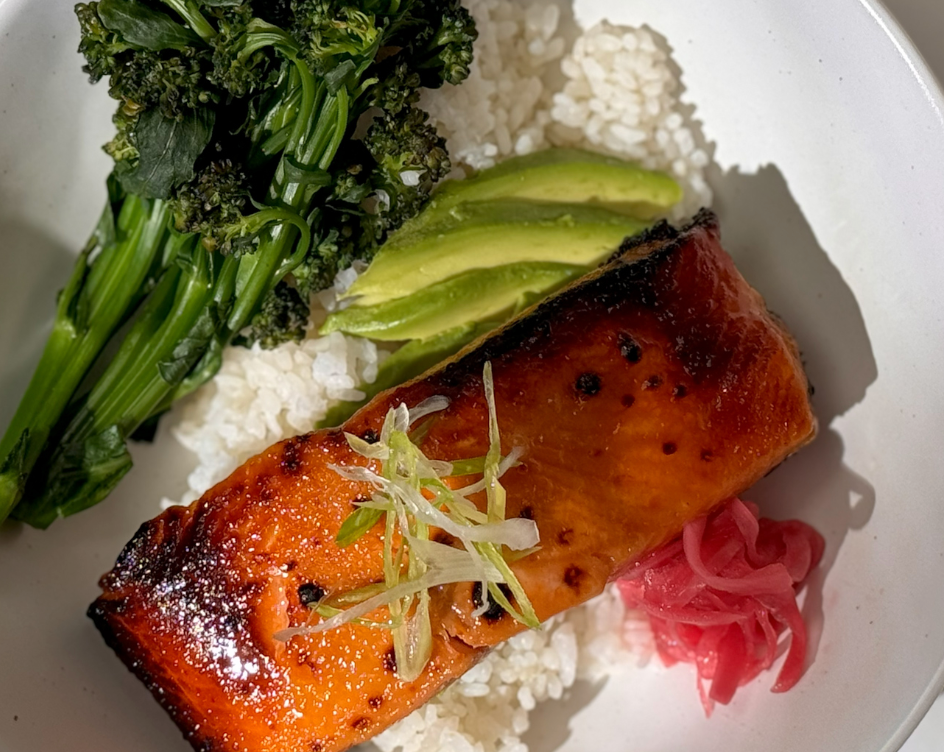
Broiled Miso Salmon Bowl
This ritualistic recipe celebrates the art of a 48-hour marinade, blending saké, miso, and coconut sugar to create a deeply flavorful glaze. We'll guide you through every step—from preparing the marinade to broiling the salmon to perfection and plating it with sushi rice, purple broccolini, pickled onions, and creamy avocado.
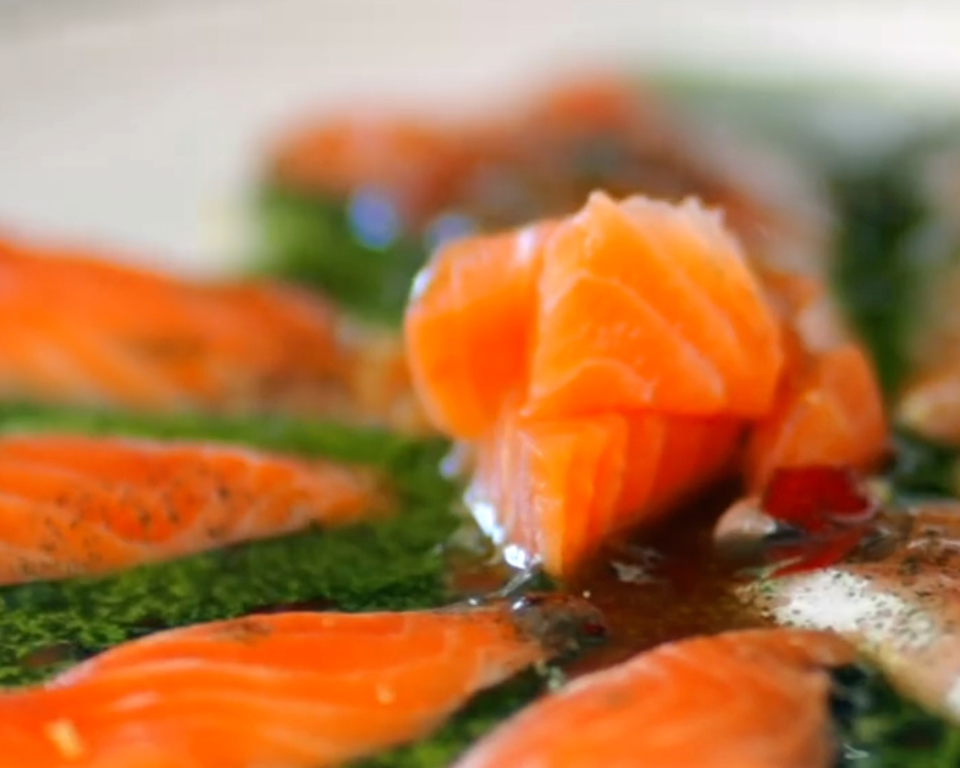
Spirulina-Infused Crudo
Prepare Steelhead Crudo with a green spirulina emulsion, made with Seatopia’s sushi-grade steelhead. 👉🏽 Get the recipe
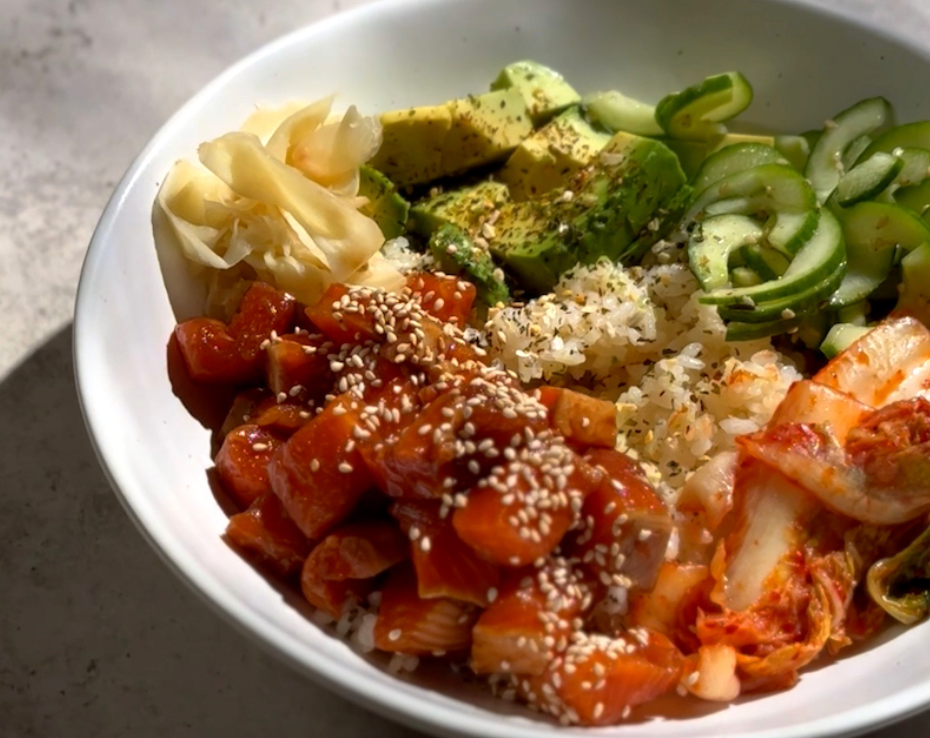
Salmon Poke Bowl
Join us in this new recipe where we dive into the traditional flavors of Hawaii with a classic Salmon Poke, made with New Zealand King Salmon from Seatopia. This step-by-step guide walks you through preparing a flavorful poke, marrying the rich taste of sushi-grade salmon, with the freshness of pickled ginger and garlic, two classic poke partners. Perfectly paired with sushi rice and creamy avocado, this dish is a true celebration of Hawaiian cuisine and Hawaiian flavor at home.